
BREATHWORK FOR RESILIENCE
SCIENCE-BASED TOOLS I USE IN COACHING
WHY?
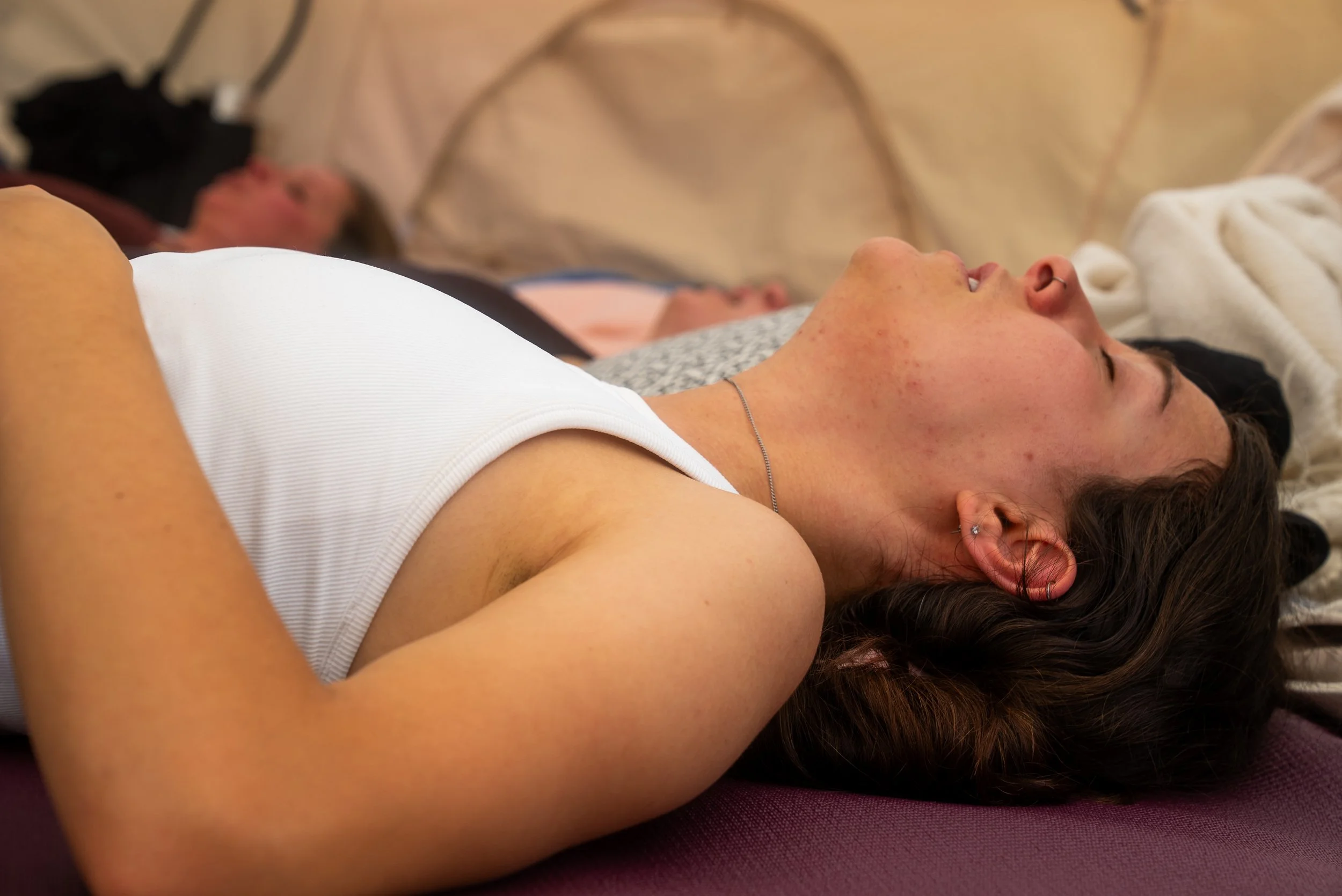
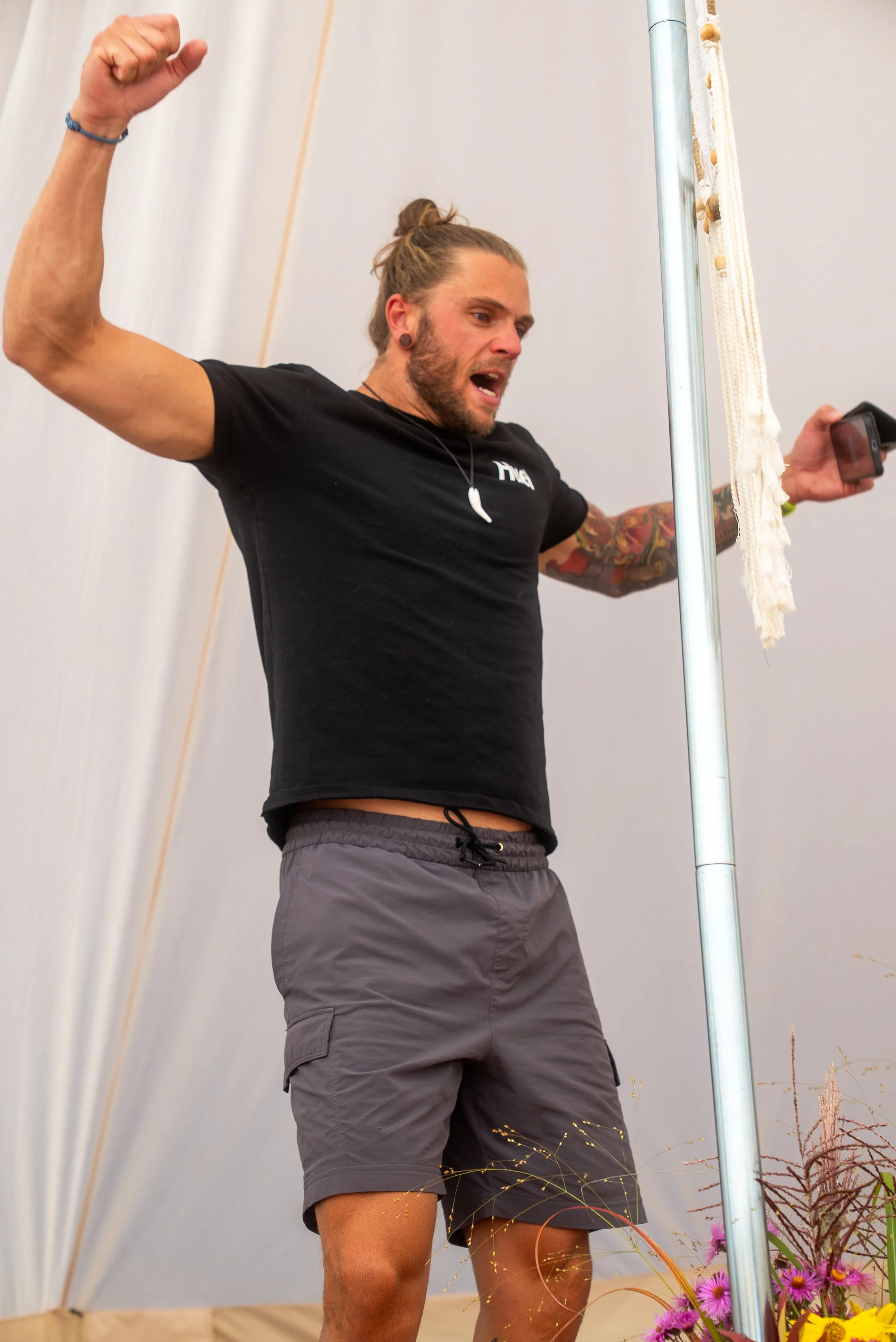
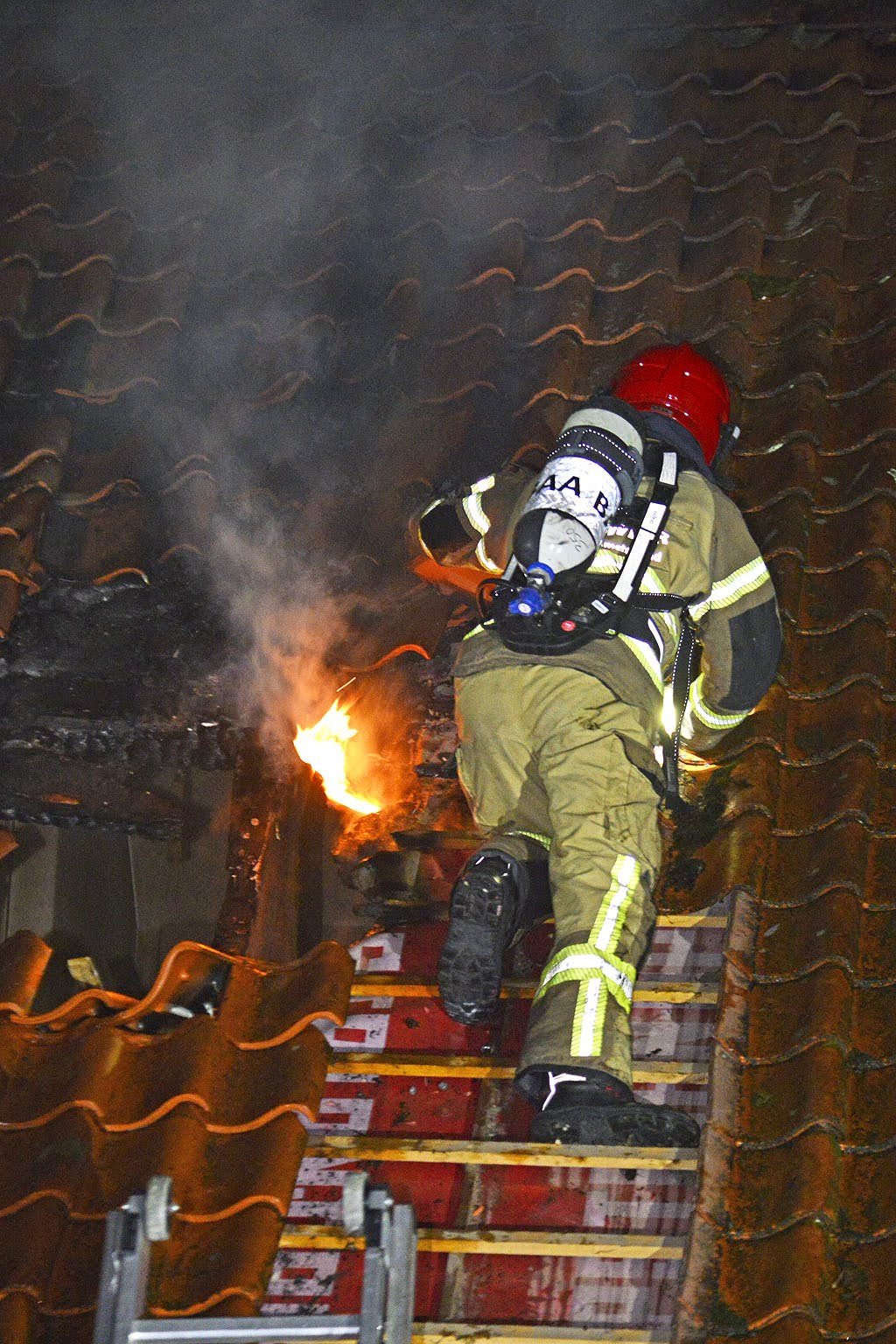
Breath is the simplest tool we carry anywhere - yet when used deliberately it changes stress, performance, recovery, and even immune signaling. As a firefighter and coach living with Crohn’s, I’ve seen breathwork help athletes, first responders, and people with autoimmune conditions regain control of stress responses, improve focus under pressure, and reduce inflammatory flares. Below I explain two evidence-based approaches I teach, how they work, who they help, important safety notes, and how to get started.
TWO TECHNIQUES I TEACH
power Breath Protocol
(high‑drive breath cycles)
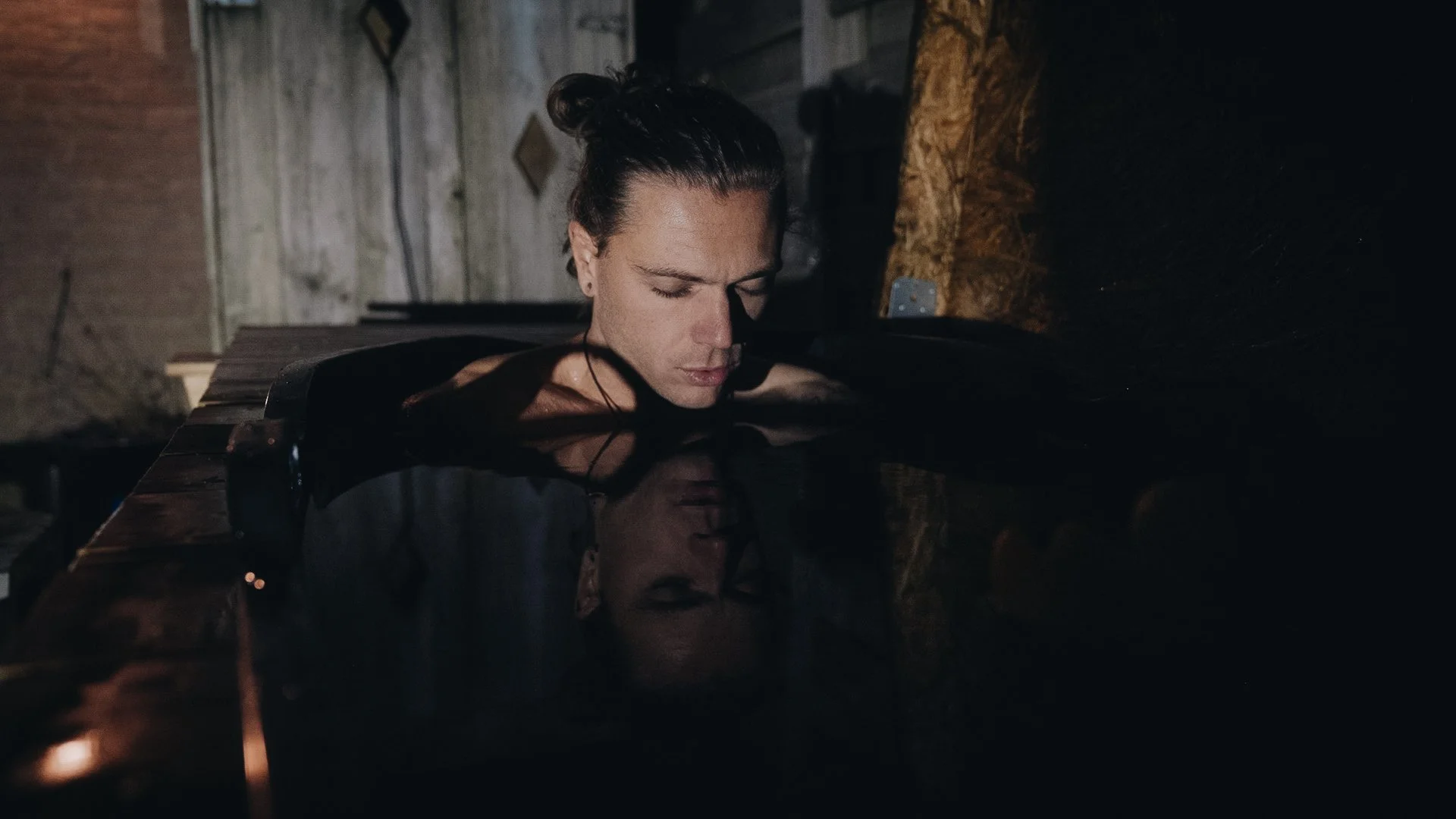
What it looks like: Repeated rounds of deep, rhythmic inhales and full exhales (often faster than normal breathing) for ~30–40 breaths, followed by a comfortable breath hold after exhale, then a full recovery breath. Rounds are short (5–15 minutes total) and paired with mindful attention and, when supervised, light cold exposure or movement.
Purpose & benefits: Rapidly shifts autonomic state, produces short-term sympathetic activation followed by strong parasympathetic rebound, sharpens alertness, and can increase perceived pain tolerance and sense of control. Controlled exposure protocols similar to this have been shown to increase circulating epinephrine and attenuate pro‑inflammatory cytokine responses during experimental immune challenge [1]. Many people report quick reductions in anxiety, increased energy, and enhanced capacity for demanding tasks.
Coherent / HRV‑guided slow breathing
What it looks like: Slow, diaphragmatic breathing at a paced rate (typically ~5–6 breaths per minute) focusing on even inhales and exhales (for example 5.5 seconds in, 5.5 seconds out). Sessions are often 10–20 minutes and can be guided by a timer, app, or heart‑rate variability (HRV) biofeedback device.
Purpose & benefits: This method maximizes respiratory sinus arrhythmia and boosts vagal tone, increasing HRV — an objective marker of autonomic flexibility. Regular practice improves stress resilience, emotion regulation, sleep quality, cognitive focus, and recovery from high‑intensity work or exercise [2,3].
How breath changes biology (simple science)
How breath changes biologyy
-
Breath directly influences the balance between sympathetic (fight/flight) and parasympathetic (rest/digest) systems. Fast cyclical breathing temporarily increases sympathetic drive; slow coherent breathing increases parasympathetic (vagal) activity and HRV [2,3].
-
Neural pathways (the “inflammatory reflex”) let vagal activity modulate cytokine production. Increasing vagal tone and using controlled activation protocols can lead to reduced pro‑inflammatory signaling in experimental settings — relevant for autoimmune conditions and inflammatory bowel disease [4,5].
-
Breathwork alters cortisol and catecholamine patterns, improving acute performance and recovery if applied appropriately. Short-term sympathetic activation can be harnessed for focus and endurance; parasympathetic recovery supports healing and digestion.
-
Breath-driven shifts influence attention networks, emotional regulation centers, and threat appraisal — improving decision-making under stress and supporting rapid recovery after traumatic or high‑pressure events.
Why this matters for first responders, athletes, and people with autoimmune disease
First responders
Faster recovery between high-stress calls, clearer decision-making under pressure, reduced chronic stress load, and improved sleep. HRV gains correlate with better on‑duty resilience.
Athletes
Enhanced focus, improved recovery, better pain tolerance, and optimized arousal for competition.
Autoimmune conditions (including Crohn’s)
Breath techniques that enhance vagal tone or strategically modulate autonomic responses can support anti‑inflammatory pathways and symptom management. Breathwork is complementary — not a replacement — for medical treatment and should be coordinated with your healthcare provider [4,5].
How to start safely
-
10 minutes daily at ~5.5 breaths/min (inhale 5–6s, exhale 5–6s), seated comfortably, hand on belly to feel diaphragmatic movement.
-
After learning with a coach, try one supervised round: 30 deep breaths at a comfortable rhythm, exhale and hold for a comfortable period (not forced), then full recovery breath. Rest and assess. Stop if lightheaded, dizzy, or uncomfortable.
-
Use a journal or HRV app to note mood, sleep, flare symptoms, and performance changes.

Want to try it with guidance?
Join Resilice Coaching - book a free consultation or join a guided breathwork session.
I run sessions for everyday people, first responders, athletes and people managing autoimmune conditions.
Practical session structure
(what I do in coaching)
1
Brief intake and screening (medical history, medications, current symptoms)
2
Teach the technique (demo + guided practice)
3
Practice session (5–20 minutes) with coaching on form, pacing, and interoception
4
Debrief: subjective response, integration strategies, and home practice plan
Safety, contraindications, and modifications
Always screen before practice. Contraindications or situations requiring medical clearance:
Pregnancy (avoid breath holds and intense voluntary hyperventilation)
Uncontrolled hypertension or significant cardiovascular disease
Recent myocardial infarction, stroke, or aneurysm
Seizure disorders or history of syncope (fainting)
Acute asthma exacerbation or severe chronic respiratory insufficiency
Untreated severe psychiatric conditions or active trauma/PTSD without trauma‑sensitive support
If you have a pacemaker or other implanted cardiac device, consult cardiology
Special considerations for autoimmune and GI disease:
Avoid intense practices if experiencing an acute flare without clinician agreement. Start very gently and track symptoms. How I modify:
Use shorter, gentler cycles and longer recovery breaths
Prioritize slow coherent breathing for daily regulation and use higher‑drive cycles only under supervision
Teach trauma‑informed anchors (safe place imagery, hands-on belly breathing) and permit clients to stop anytime
Scientific references:
1. Kox M, et al. Voluntary activation of the sympathetic nervous system and attenuation of the innate immune response in humans. Proc Natl Acad Sci U S A. 2014;111(20):7379–7384.
https://doi.org/10.1073/pnas.1322174111
https://www.pnas.org/content/111/20/7379
2. Lehrer PM, Gevirtz R. Heart rate variability biofeedback: how and why does it work? Front Psychol. 2014;5:756.
https://doi.org/10.3389/fpsyg.2014.00756
https://www.frontiersin.org/articles/10.3389/fpsyg.2014.00756/full
3. Shaffer F, Ginsberg JP. An overview of heart rate variability metrics and norms. Front Public Health. 2017;5:258.
https://doi.org/10.3389/fpubh.2017.00258
https://www.frontiersin.org/articles/10.3389/fpubh.2017.00258/full
4. Tracey KJ. The inflammatory reflex. Nature. 2002;420:853–859.
https://doi.org/10.1038/nature01321
https://www.nature.com/articles/nature01321
5. Bonaz B, et al. Chronic vagus nerve stimulation in Crohn’s disease: a 6‑month pilot study. Neurogastroenterol Motil. 2016;28(6):948–955.